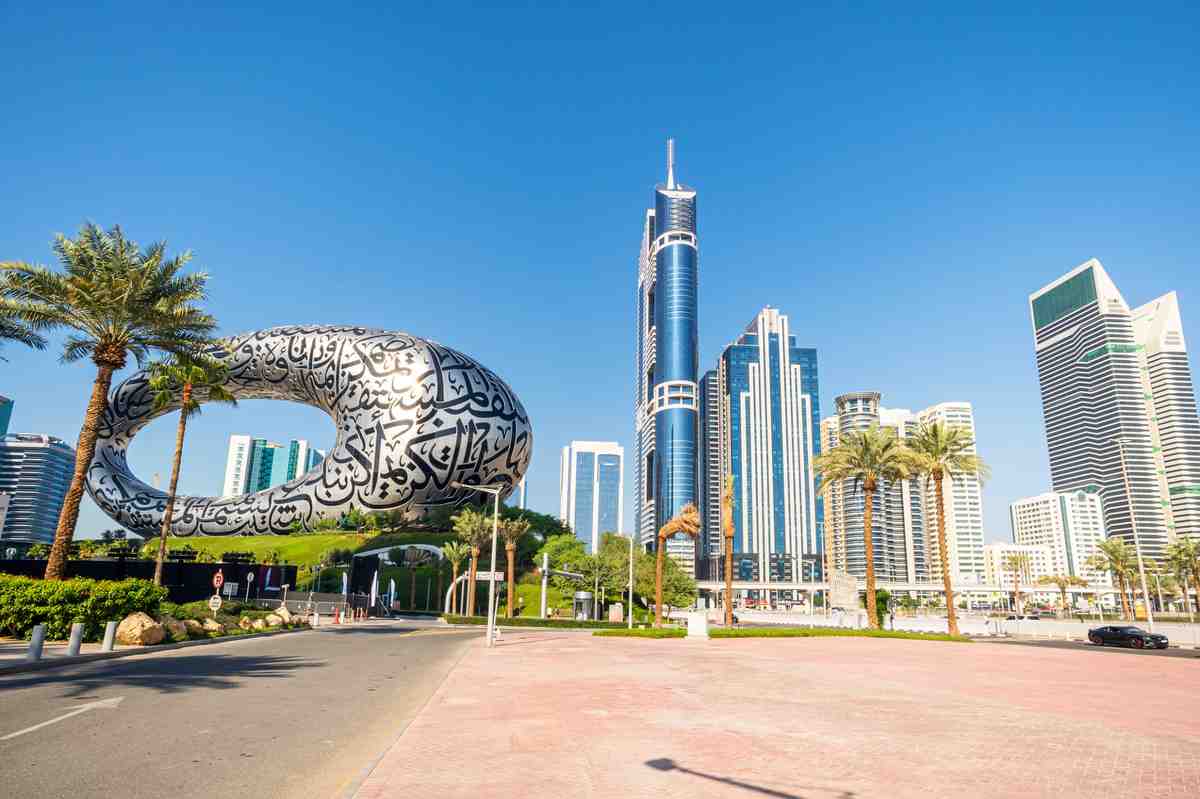
Dubai’s skyline is no stranger to superlatives, but behind the glittering towers and luxury resorts lies a quieter revolution. The United Arab Emirates is turning to partnerships between tourism and technology sectors to make sure its visitor economy thrives all year long, not just during seasonal peaks. At a time when global tourism is still recalibrating after years of volatility, the UAE is betting that digital tools, artificial intelligence, and smart infrastructure can make it the world’s most reliable destination.
Tourism has always been one of the UAE’s calling cards. From desert safaris to futuristic malls, from the beaches of Ras Al Khaimah to cultural hubs in Sharjah, the sector represents both economic muscle and cultural pride. Yet, the region faces an undeniable challenge. The desert climate makes summer months less attractive to many international tourists, creating fluctuations in visitor numbers. For a country that now relies on tourism as one of its economic pillars, solving this seasonality problem has become a national priority. The solution is increasingly coming from technology.
Airlines, hotels, and government agencies are entering partnerships with tech firms to build systems that keep visitors engaged even when temperatures rise. One example is the rise of smart hospitality platforms powered by AI. Hotels in Dubai and Abu Dhabi are using machine learning algorithms to analyze guest preferences and personalize everything from room lighting to dining recommendations. Instead of a generic experience, visitors feel the city adapts to them. These kinds of partnerships with global and local tech providers make a stay memorable regardless of the season.
Air travel is another critical piece of the puzzle. Emirates and Etihad are investing in biometric screening and digital boarding to streamline passenger flow at airports. The aim is not only efficiency but also a sense of futuristic comfort that becomes part of the travel experience. The Ministry of Economy has been vocal about the role of innovation in ensuring the UAE can handle increased passenger traffic year-round without bottlenecks. These initiatives are more than upgrades, they are statements about the country’s intent to lead the future of travel.
Beyond logistics, the UAE is also leaning on virtual reality and augmented reality to extend the tourism experience. Museums in Abu Dhabi now offer VR tours that allow visitors to engage with exhibits long after leaving the physical space. Tourism boards are working with tech firms to create digital previews of attractions, giving travelers a taste of what awaits them. These digital platforms often encourage bookings even in slower months, as potential visitors realize the variety and depth of experiences available.
Sustainability has become another driver of partnerships. The UAE wants to expand tourism without straining resources, and technology is the key. Hotels are adopting smart energy management systems to reduce consumption, while airlines partner with startups researching alternative fuels. The government is supporting projects that use AI to monitor water usage in resorts and optimize waste management in large venues. These steps are not just practical measures but also part of a larger branding strategy. The UAE wants to be seen as a destination that combines luxury with responsibility.
Events and entertainment also play a central role. Partnerships with digital ticketing platforms and data analytics firms allow event organizers to predict demand and set schedules that fill gaps in the tourism calendar. From esports tournaments to cultural festivals, the UAE is using data to position itself as a year-round entertainment hub. Visitors who once came only for winter holidays are now enticed back in the summer for concerts, exhibitions, or sporting events. Technology makes this possible by giving organizers the tools to target the right audiences at the right time.
For many small businesses, the push into tech-driven tourism has opened new opportunities. Boutique hotels and tour operators that once struggled in off-peak months now partner with booking platforms that use AI-driven marketing to attract visitors. A local desert safari company can now reach European families with ads tailored to their search history, while a cultural tour in Sharjah can promote itself to travelers in Asia who value heritage-focused experiences. These tools level the playing field, giving smaller players a share of the booming industry.
The government’s role in encouraging these partnerships cannot be overstated. Authorities have created regulatory sandboxes that allow companies to test new ideas without heavy restrictions. Smart city initiatives in Dubai and Abu Dhabi have turned entire districts into testbeds for tourism technology. Visitors booking a hotel in one of these areas may unknowingly participate in pilot projects involving AI concierges, autonomous shuttles, or advanced digital payment systems. The outcome is a feedback loop where innovation improves visitor satisfaction, which in turn fuels more innovation.
International observers have taken note. Industry reports now describe the UAE as a global leader in AI-powered tourism. Analysts highlight not only the scale of investment but also the speed of implementation. Where other countries may still be discussing frameworks, the UAE is already rolling out full systems. This decisiveness has made the Emirates a model for how nations can use public-private collaboration to future-proof their tourism economies.
Of course, challenges remain. Some visitors express concern about privacy as biometric systems become more common at airports and hotels. Balancing convenience with data protection will require careful governance. Another concern is accessibility. While luxury travelers benefit from the most advanced experiences, the government wants to ensure that middle-market visitors also feel included. Inclusive pricing models and wide availability of digital tools will be necessary to avoid a divide between premium and ordinary tourism.
Still, the direction is clear. By blending tourism with technology, the UAE is moving beyond the limitations of climate and season. It is creating a system where attractions, events, and services are intelligently distributed across the calendar, keeping the flow of visitors steady. This model not only secures economic returns but also reinforces the UAE’s brand as a nation that embraces the future.
The ultimate test will be long-term sustainability. If these partnerships can deliver consistent visitor satisfaction, the UAE could set a precedent for other countries with seasonal tourism challenges. Already, nations with similar climates are watching closely, wondering if the Emirates’ model could be adapted to their own contexts. For the UAE, the prize is clear. Year-round tourism means year-round prosperity, and the marriage of technology and hospitality seems to be the path to achieving it.
For travelers, this evolution changes the way they see the UAE. No longer just a place for a winter escape, it becomes a destination where experiences are available anytime, powered by technology that enhances comfort, efficiency, and personalization. For the world, it offers a glimpse of what the future of travel could look like where partnerships between innovation and hospitality redefine the boundaries of tourism.
Photo Credit: iStock