The world economy is witnessing something remarkable. Global trade is approaching an unprecedented $35 trillion milestone, and the forces driving this surge are fundamentally different from anything we’ve seen before. Manufacturing is experiencing a renaissance with a 10% jump, while developing nations are increasingly trading with each other rather than relying solely on traditional Western markets. This shift represents more than just numbers on a spreadsheet. It signals a profound transformation in how goods, services, and innovations flow across borders.
East Asia has emerged as the undisputed champion of this new trading landscape. Countries in the region are not just participating in global commerce anymore. They’re actively setting the pace and determining where the future is headed. The manufacturing boom has created a ripple effect that touches everything from the smartphones in our pockets to the components powering the latest artificial intelligence systems. What makes this growth particularly interesting is that it’s happening during a period of significant monetary policy shifts, with the Federal Reserve implementing rate cuts that are carefully monitored by markets worldwide.
The concept of friendshoring is gaining serious traction among multinational corporations and government policymakers alike. Companies are realizing that the old model of chasing the absolute lowest costs regardless of location comes with hidden vulnerabilities. Supply chain disruptions during recent global challenges taught businesses a hard lesson about resilience. Now there’s a deliberate move toward establishing manufacturing and sourcing relationships with countries that share similar values and maintain stable political relationships. This isn’t just about reducing risk. It’s about building trade partnerships that can weather geopolitical storms while still maintaining efficiency and competitiveness.
South-South trade routes are experiencing an 8% growth rate that’s catching many analysts by surprise. Developing nations are discovering they don’t always need to route their commerce through traditional economic powerhouses. Brazil is trading more directly with Vietnam. Nigeria is forging stronger commercial ties with Indonesia. These connections are creating new economic corridors that bypass older trade routes entirely. The implications go beyond economics into cultural exchange, technology transfer, and diplomatic relationships that were barely imaginable just a decade ago.
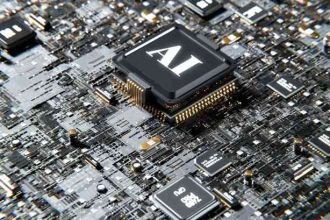
The electronics sector is at the heart of much of this trading activity, driven largely by the explosive demand for artificial intelligence capabilities. Every major tech company and countless startups are racing to develop AI products and services, which means they need massive quantities of specialized chips, sensors, memory components, and sophisticated manufacturing equipment. This demand is creating opportunities throughout the supply chain, from raw material extraction to final assembly. Countries that position themselves strategically in this ecosystem stand to benefit enormously from the AI revolution that’s just beginning.
While massive trade flows and geopolitical shifts capture headlines, consumer trends reveal what’s actually resonating with people in their daily lives. The surge in interest around non-toxic air fryers shows how health consciousness is influencing kitchen appliance purchases. People want to enjoy their favorite foods without worrying about harmful chemicals leaching into their meals. It’s a small example of a larger pattern where consumers are demanding products that align with their values around health and safety.
AI video generators represent another frontier that’s capturing public imagination. The ability to create professional-looking video content without expensive equipment or years of training is democratizing creative expression. Small businesses can now produce marketing videos that rival what major corporations spend millions to create. Independent creators are launching channels and building audiences using tools that simply didn’t exist a few years ago. This technology is still evolving rapidly, and its impact on everything from entertainment to education to corporate communication is only beginning to unfold.
Japanese head spas might seem like an unusual addition to discussions about global trade, but they perfectly illustrate how wellness trends cross borders and create new market opportunities. These specialized scalp treatments combine traditional techniques with modern understanding of stress relief and self-care. As the concept spreads beyond Japan, it’s creating demand for specialized products, training programs, and equipment. Wellness tourism is growing, and treatments like these give people reasons to travel and experience different cultures while investing in their health.
The interplay between these various trends and the larger economic forces shaping global trade creates a complex but fascinating picture. Manufacturing growth supports the physical infrastructure needed for technological advancement. South-South trade connections allow emerging markets to access innovations and products faster. Friendshoring ensures that supply chains remain reliable even when international relations get complicated. And consumer trends like non-toxic cookware and wellness services drive demand that keeps the entire system moving forward.
Looking at the bigger picture, what we’re witnessing isn’t just a temporary spike in trade volumes. The $35 trillion milestone represents a fundamental reorganization of how the global economy functions. The old model where a handful of countries dominated manufacturing while others supplied raw materials and cheap labor is breaking down. What’s replacing it is more distributed, more resilient, and potentially more equitable. Countries that were once relegated to the margins of global commerce are now active participants with real negotiating power.
The Federal Reserve’s rate cuts add another dimension to this evolving landscape. Lower interest rates theoretically make borrowing cheaper, which can stimulate investment in manufacturing capacity, infrastructure development, and business expansion. However, the relationship between monetary policy and trade flows isn’t straightforward. Currency valuations shift, which affects export competitiveness. Investment patterns change as money seeks the best returns. Markets are watching these developments closely because they understand that central bank decisions in Washington can have profound effects on factory floors in Vietnam, shipping ports in Singapore, and retail stores in São Paulo.
Technology continues to be the great accelerator of all these trends. AI isn’t just driving demand for electronics. It’s transforming logistics, making supply chains smarter and more efficient. Machine learning algorithms optimize shipping routes, predict demand patterns, and identify potential disruptions before they become critical. This technological layer sitting atop physical trade flows means that the $35 trillion in global commerce moves faster and more intelligently than ever before.
The human element remains crucial despite all the technological advancement and economic analysis. Behind every trade statistic are people making decisions about what to manufacture, where to source materials, which markets to enter, and what products consumers will actually want. The rise of non-toxic air fryers happened because someone recognized that health-conscious consumers would pay premium prices for safer cooking options. AI video generators exist because entrepreneurs saw an opportunity to democratize content creation. Japanese head spas are spreading globally because people everywhere are looking for meaningful ways to manage stress and prioritize self-care.
What makes this moment particularly significant is that multiple transformative trends are happening simultaneously and reinforcing each other. Manufacturing growth creates jobs and income that fuel consumer spending. South-South trade connects markets that can support emerging industries. Friendshoring builds resilience that encourages long-term investment. AI demand drives innovation across multiple sectors. And consumer trends create niches that entrepreneurs can fill with creative solutions.
The road ahead holds both tremendous opportunity and significant challenges. Trade tensions between major powers could disrupt carefully constructed supply chains. Climate change threatens infrastructure and agricultural production that many economies depend on. Technological displacement could leave workers behind even as it creates new opportunities. Currency fluctuations can quickly make exports more expensive or imports cheaper in ways that ripple through entire economies.
Yet the fundamental dynamism of global trade provides reasons for optimism. Human ingenuity has repeatedly found ways to overcome obstacles and create value in unexpected places. The shift toward more distributed manufacturing and diverse trade relationships makes the system more robust. The integration of advanced technology into logistics and production increases efficiency and reduces waste. And the growing middle class in developing nations creates expanding markets for goods and services that can lift millions out of poverty.
The $35 trillion milestone isn’t just about reaching a big number. It represents countless individual transactions, business decisions, policy choices, and consumer preferences that collectively shape our interconnected world. From the factory worker in Malaysia assembling components for AI servers to the entrepreneur in Kenya sourcing products through new South-South trade channels to the American family researching non-toxic air fryers online, everyone participates in this vast global system whether they realize it or not.
Understanding these trends matters because they affect everything from job availability to product prices to investment opportunities. The manufacturing resurgence means some regions will experience economic booms while others face increased competition. Friendshoring will create winners and losers as companies reconfigure supply chains. The AI revolution will generate enormous wealth but also requires careful thought about who benefits and who gets left behind.
What emerges from this analysis is a picture of global trade that’s more vibrant, more complex, and more consequential than simple dollar figures suggest. The $35 trillion milestone marks not an ending but a beginning of a new chapter in human economic activity. The choices made today about trade relationships, manufacturing locations, technology adoption, and consumer priorities will echo for decades to come, shaping the world our children inherit.